As you begin your research for the group project, you will need to have an understanding of different schools of poetry so that you know what type of poet you want to research and how to contextualize his or her work.
Click on this link and read about two schools of poetry. Summarize the main aesthetic principles of these schools of poetry and list two poets that can be categorized as following this school. During what time period were these movements most active?
http://www.poets.org/page.php/prmID/193
http://www.poetryfoundation.org/learning/glossary-terms.html?category=schools-and-periods
Tuesday, October 19, 2010

Tuesday, October 12, 2010
Tuesday, October 5, 2010
Edgar Alan Poe on Beauty
How do you think Edgar Alan Poe defines beauty in the following quotes? Focus particularly on the first, controversial quote. What do you think he means by this strange quote?
The death of a beautiful woman, is unquestionably the most poetical topic in the world.
-Edgar Alan Poe
Beauty of whatever kind, in its supreme development, invariably excites the sensitive soul to tears.
-Edgar Alan Poe
Poetry is the rhythmical creation of beauty in words.
-Edgar Alan Poe
The death of a beautiful woman, is unquestionably the most poetical topic in the world.
-Edgar Alan Poe
Beauty of whatever kind, in its supreme development, invariably excites the sensitive soul to tears.
-Edgar Alan Poe
Poetry is the rhythmical creation of beauty in words.
-Edgar Alan Poe
Poetry & Beauty
What is the relationship between poetry and beauty? Must good poetry be beautiful? How do you define beauty? Is there any objective way to define beauty? Provide a two sentence definition of beauty, emphasizing the relationship between poetry and beauty.




Tuesday, September 28, 2010
Titles and First Lines
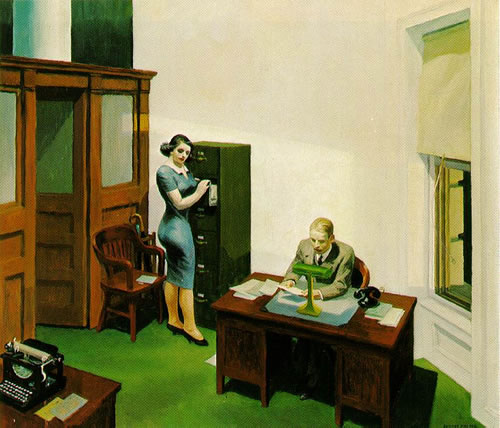
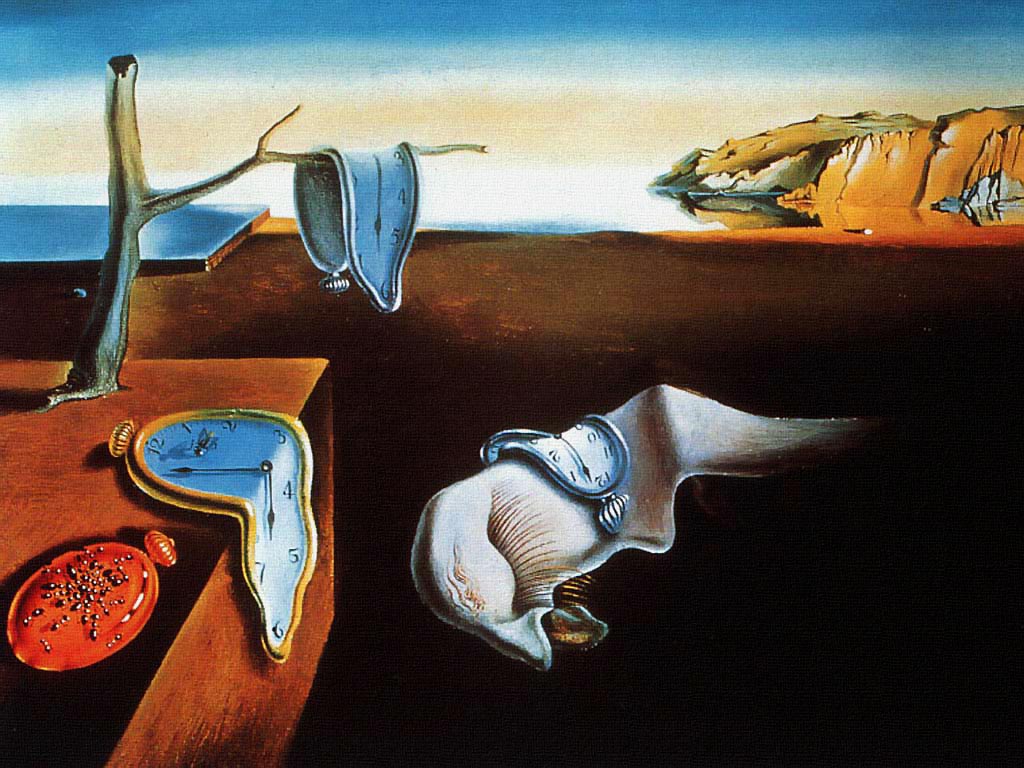
Which poem has the best title? Which poem has the best first line?
Defend your answer in 2-3 sentences. Sign your name.
Defend your answer in 2-3 sentences. Sign your name.
Tuesday, September 21, 2010
A Marriage That is Good Enough
Read the following essay. Do you agree with Colbert's notion of marriage? Is it okay to settle? What do you think makes a good marriage?
A Marriage That's Good Enough
by Corinne Colbert
June 4, 2007
Newsletter writer Corinne Colbert lives with her family in Athens, Ohio. She is also president of her local parent-teacher association, through which she often talks with other mothers about their expectations of themselves and their marriages.
June 4, 2007
My husband is not my best friend. He doesn't complete me. In fact, he can be a self-absorbed jerk. We're nearly polar opposites: He's a lifetime member of the NRA who doesn't care for journalists, and I'm a lifelong liberal with a journalism degree. On the other hand, he doesn't beat or emotionally abuse me. He doesn't drink or chase other women. He's a good provider. So I'm sticking with him.
Some people would call that "settling," like it's a bad thing. But I believe in settling.
The Random House Unabridged Dictionary defines "to settle" as "to place in a desired state or order; to quiet, calm or bring to rest; to make stable." In short, it means that a bird in the hand is worth two in the bush.
Alas, too many of us buy into a different adage: that the grass is greener on the other side of the fence. From movies to magazines to commercials, we're told we should demand more from lives that are, for many of us, pretty good. We're supposed to look better, eat better, find better jobs, be better lovers and parents and workers. A stable marriage isn't enough; it's supposed to be a fairy tale. Perfection is the goal.
But at what cost? Would I really be any happier if I took up yoga and ate more soy? If my spouse wasn't just my partner, but also was my soul mate? I doubt it.
Settling, in my sense, is about acceptance. I'm a pretty happy person, in large part because I'm honest with myself about what I have. My body isn't bikini-worthy, but it's healthy. I'll never write for Rolling Stone as I once dreamed, but I am making a living as a writer. I yell at my sons and let them play too much GameCube, but I'm still a good mom.
Of course, some situations are worth improving. If your weight jeopardizes your health, exercise and change your eating habits. If your job makes you truly miserable, find a new one. If your marriage is toxic, end it. Chances are, though, you probably have what you need: a roof over your head, food on the table, a job that pays the bills, and family and friends. If you're unhappy, ask yourself: Am I unhappy because I really don't have what I need, or because I just want more?
So, yes, I'm settling. Sure, I wish my husband would kiss me more often, tell me he loves me every day, and get as excited about my accomplishments as I do. Emptying the dishwasher without being asked and giving me unsolicited foot massages wouldn't hurt, either.
All that would be nice, but it's not necessary. I'm happy with my husband who, despite his flaws, is a caring father, capable of acts of stunning generosity and fiercely protective of his family. Thinking about him may not set me on fire as it used to, but after 17 years and two kids, our love is still warm. And I believe that's good enough.
Independently produced for All Things Considered by Jay Allison and Dan Gediman with Viki Merrick.
A Marriage That's Good Enough
by Corinne Colbert
June 4, 2007
Newsletter writer Corinne Colbert lives with her family in Athens, Ohio. She is also president of her local parent-teacher association, through which she often talks with other mothers about their expectations of themselves and their marriages.
June 4, 2007
My husband is not my best friend. He doesn't complete me. In fact, he can be a self-absorbed jerk. We're nearly polar opposites: He's a lifetime member of the NRA who doesn't care for journalists, and I'm a lifelong liberal with a journalism degree. On the other hand, he doesn't beat or emotionally abuse me. He doesn't drink or chase other women. He's a good provider. So I'm sticking with him.
Some people would call that "settling," like it's a bad thing. But I believe in settling.
The Random House Unabridged Dictionary defines "to settle" as "to place in a desired state or order; to quiet, calm or bring to rest; to make stable." In short, it means that a bird in the hand is worth two in the bush.
Alas, too many of us buy into a different adage: that the grass is greener on the other side of the fence. From movies to magazines to commercials, we're told we should demand more from lives that are, for many of us, pretty good. We're supposed to look better, eat better, find better jobs, be better lovers and parents and workers. A stable marriage isn't enough; it's supposed to be a fairy tale. Perfection is the goal.
But at what cost? Would I really be any happier if I took up yoga and ate more soy? If my spouse wasn't just my partner, but also was my soul mate? I doubt it.
Settling, in my sense, is about acceptance. I'm a pretty happy person, in large part because I'm honest with myself about what I have. My body isn't bikini-worthy, but it's healthy. I'll never write for Rolling Stone as I once dreamed, but I am making a living as a writer. I yell at my sons and let them play too much GameCube, but I'm still a good mom.
Of course, some situations are worth improving. If your weight jeopardizes your health, exercise and change your eating habits. If your job makes you truly miserable, find a new one. If your marriage is toxic, end it. Chances are, though, you probably have what you need: a roof over your head, food on the table, a job that pays the bills, and family and friends. If you're unhappy, ask yourself: Am I unhappy because I really don't have what I need, or because I just want more?
So, yes, I'm settling. Sure, I wish my husband would kiss me more often, tell me he loves me every day, and get as excited about my accomplishments as I do. Emptying the dishwasher without being asked and giving me unsolicited foot massages wouldn't hurt, either.
All that would be nice, but it's not necessary. I'm happy with my husband who, despite his flaws, is a caring father, capable of acts of stunning generosity and fiercely protective of his family. Thinking about him may not set me on fire as it used to, but after 17 years and two kids, our love is still warm. And I believe that's good enough.
Independently produced for All Things Considered by Jay Allison and Dan Gediman with Viki Merrick.
Subscribe to:
Posts (Atom)